Furniture Removals in Furniture: Smart Planning for a Smooth Move
Understanding Furniture Removals in Furniture
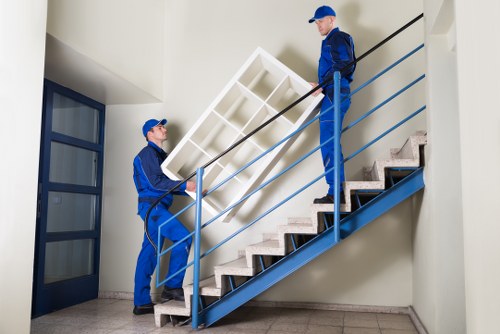
Furniture removals in furniture may sound repetitive at first glance, but it reflects a real and important topic: the safe, organized, and efficient movement of furniture from one place to another. Whether you are relocating a home, shifting office pieces, or simply replacing old items with new ones, the process of moving furniture requires careful planning, the right tools, and a clear strategy.
Many people underestimate how much effort is involved in furniture removals. A sofa, dining table, wardrobe, or office desk may look simple to move, yet each piece has its own shape, weight, and handling requirements. If done incorrectly, furniture can be scratched, damaged, or even become a safety risk. That is why professional furniture removal services and proper moving techniques matter so much.
In today’s busy world, furniture removals in furniture are no longer just about transportation. They are about protecting value, saving time, and reducing stress. From packing fragile wooden pieces to dismantling large items and reassembling them in a new space, every step plays a role in a successful move.
Why Furniture Removals Matter

Furniture is often one of the most expensive parts of a home or business. When people invest in quality pieces, they want them to last for years. Proper furniture removals help preserve that investment by reducing the risk of chips, dents, stains, broken joints, and structural damage. A careful move can extend the life of furniture and maintain its appearance.
For families, the emotional value of furniture is also important. A dining set may have supported countless celebrations, and a bedroom dresser may hold sentimental meaning. For businesses, office desks, conference tables, and storage cabinets support daily operations and professional image. That is why furniture removals in furniture should always be handled with attention and respect.
Another major reason furniture removals matter is efficiency. Moving large items without a plan can lead to delays, unnecessary lifting, and confusion. When furniture removal is organized, it becomes easier to load vehicles, navigate tight hallways, and place items in the correct rooms. In many cases, that means a move is completed faster and with far less disruption.
Types of Furniture Removal Services
Residential Furniture Removals

Residential furniture removals are designed for homes, apartments, and condos. These services often include beds, sofas, tables, chairs, wardrobes, mirrors, and entertainment units. The goal is to move household furniture safely while minimizing inconvenience for the family.
People often choose residential furniture removal services during local moves, long-distance relocations, renovations, or downsizing projects. In each case, the handling process may involve wrapping, dismantling, lifting, and reassembling furniture in a new space.
Some common residential items that require special care include:
- Glass-top tables and cabinets
- Antique wooden furniture
- Oversized sectional sofas
- Mattresses and bed frames
- Heavy dressers and armoires
Office and Commercial Furniture Removals
Office and commercial furniture removals focus on business environments. This can include desks, ergonomic chairs, filing cabinets, reception furniture, shelving units, and conference room tables. Since businesses often need to remain operational, commercial moves are usually scheduled carefully to reduce downtime.
Professional office furniture removals also account for networked workstations, modular furniture, and equipment that must be dismantled and reinstalled correctly. A well-planned commercial move can help a business resume work quickly and avoid disruptions.
Commercial clients often need a structured approach that includes labeling, inventory management, and floor-plan coordination. This ensures that each item is placed in the correct location after transport.
The Furniture Removal Process Explained
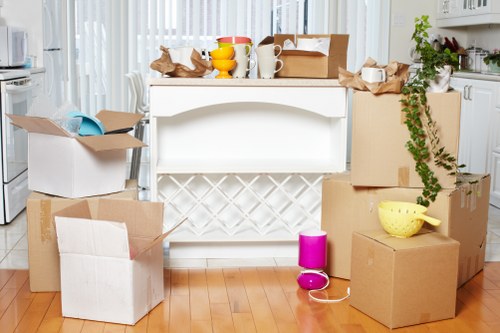
Although each move is unique, furniture removals in furniture generally follow a sequence of practical steps. Understanding this process helps people prepare better and avoid common mistakes.
1. Assessment and planning — The process begins with identifying what needs to be moved, where it is going, and what obstacles may exist. Doorways, staircases, elevators, and parking access all need to be considered.
2. Sorting and decluttering — Before moving day, it is wise to decide what furniture should be kept, donated, sold, or discarded. Reducing the number of items can save money and time.
3. Dismantling and protection
Large items are often dismantled to make them easier to handle. Bed frames, tables, and shelving units may be taken apart. After that, protective materials such as blankets, pads, bubble wrap, and stretch film are used to prevent damage.
4. Loading and transport — Furniture is carefully loaded into moving vehicles so that heavier items are secured first and fragile pieces are protected. Proper stacking and tie-down methods help prevent shifting during transit.
5. Unloading and placement — Once the furniture reaches its destination, it is unloaded, inspected, and placed in the correct room or area. If required, the items are reassembled and arranged according to the client’s preference.
How to Prepare for Furniture Removals

Preparation is one of the most effective ways to make furniture removals in furniture less stressful. A little effort before moving day can prevent damage and streamline the entire process. Start by creating a checklist that covers each room and item.
Labeling is especially useful. If furniture pieces are dismantled, place screws, bolts, and small parts in clearly labeled bags. Attach those bags to the corresponding furniture item or keep them together in a safe container. This simple step can save a great deal of frustration later.
Here are a few practical ways to prepare:
- Measure furniture and doorways in advance.
- Remove drawers, shelves, and loose accessories.
- Empty cabinets and storage units.
- Protect floors with covers or runners.
- Keep pathways clear for safe movement.
Choosing the Right Furniture Removal Approach
The best approach to furniture removals depends on the type of furniture, the distance of the move, and the amount of help needed. Some people can move a few lightweight items with family assistance, while others need a full professional service. The key is to match the method to the situation.
If the move involves bulky, fragile, or valuable items, professional help is often the safest choice. Trained movers understand how to handle awkward shapes, protect surfaces, and move heavy objects without injury. They also bring equipment such as dollies, straps, sliders, and ramps that make the work more efficient.
For smaller moves, a mixed approach may work well. This could involve self-packing, partial dismantling, and hiring movers only for the heaviest pieces. The goal is to choose a solution that balances cost, safety, and convenience.
Common Challenges in Furniture Removals
Even with planning, furniture removals in furniture can come with challenges. Tight corners, narrow staircases, heavy lifting, and fragile finishes are just a few of the issues that can create problems on moving day. Awareness of these challenges helps you prepare in advance.
One of the most common issues is size. A large sofa or wardrobe may not fit through a doorway without being angled or dismantled. Another challenge is weight. Solid wood furniture and stone-topped items may require more than one person and specialized handling tools.
Weather can also affect the process, especially if furniture is being moved through rain, heat, or wind. Moisture can damage wood and upholstery, while extreme heat can affect materials and make handling more difficult. Proper wrapping and timing are essential in such conditions.
Handling Difficult Furniture Pieces
Some items require extra care because of their material or shape. For example, glass furniture needs secure wrapping and careful lifting. Antique furniture may have delicate joints that can weaken under pressure. Leather sofas must be protected from scratches and moisture.
Heavy items such as pianos, solid wood cabinets, and conference tables may need professional equipment and a team-based lifting plan. Never attempt to move objects that are too heavy or unstable without proper support, as injury and damage can happen quickly.
When possible, disassemble complex furniture before moving. Removing legs, shelves, and detachable parts reduces weight and makes navigation easier. This is especially important for older properties with limited access.
Benefits of Professional Furniture Removals
Hiring professionals for furniture removals in furniture offers several advantages. First, it reduces the physical strain on homeowners, tenants, and employees. Moving large items can be tiring and dangerous, especially without the correct lifting technique.
Second, professionals help reduce damage. They know how to wrap furniture, secure it in transit, and handle it in tight spaces. Their experience makes it more likely that items arrive in the same condition they left.
Third, professional services save time. Instead of spending hours figuring out how to move each piece, customers can focus on other parts of the relocation. For busy households and businesses, that time savings can be extremely valuable.
Additional Advantages
There are also practical financial benefits. While hiring movers involves a cost, it may be less expensive than repairing damaged furniture or replacing broken pieces. Insurance coverage may also be available depending on the service provider and the move type.
Professional movers bring an organized process that often includes inventory tracking, route planning, and item protection. This structured service makes the move more predictable and less stressful.
For anyone facing a large relocation, it is worth considering how much value is placed on safety, speed, and peace of mind. In many cases, furniture removal services deliver all three.
Tips for Safe and Efficient Furniture Removals
Safety should always come first in furniture removals. Improper lifting can cause back injuries, and unsecured furniture can damage walls, floors, and other items. By following a few smart practices, the process becomes much safer and smoother.
Use proper lifting methods by bending at the knees and keeping the load close to the body. Avoid twisting while carrying heavy objects. If something feels too heavy, stop and ask for help rather than forcing the movement.
Protecting furniture is equally important. Use moving blankets for wood surfaces, plastic wrap for upholstery, and corner guards for sharp edges. These small precautions go a long way toward preserving the condition of your items.
Practical Safety Checklist
Before moving day:
- Clear walkways and remove tripping hazards
- Check that all furniture is empty and secure
- Wrap fragile surfaces properly
- Use gloves for better grip
- Confirm that the moving vehicle is ready and clean
Taking these steps can reduce stress and help the move stay on schedule.
Also, remember to protect walls and floors in both the old and new locations. Corner protectors, floor runners, and doorframe padding are simple tools that can prevent unnecessary damage.
Furniture Removals and Sustainability
Modern furniture removals in furniture are increasingly connected to sustainability. People are more aware of the environmental impact of throwing away usable furniture, and many prefer to donate, recycle, or repurpose items instead. This approach reduces landfill waste and supports circular use of materials.
When planning a move, consider whether old furniture can be reused in another room, passed on to family, donated to charity, or sold second-hand. Items that are no longer needed may still have value for someone else. Even broken furniture can sometimes be salvaged for materials.
Using reusable packing supplies, such as padded blankets and durable straps, also helps reduce waste. A more sustainable furniture removal process benefits both the customer and the environment.
How Furniture Removals Support Home and Office Transitions
Furniture removals are a vital part of many life transitions. Families move to larger homes, smaller homes, or new cities. Businesses expand, renovate, or reorganize office layouts. In each case, furniture removal plays a key role in making the transition workable.
In homes, furniture placement affects comfort, function, and style. In offices, layout impacts productivity, collaboration, and workflow. A careful removal and setup process helps the new environment work as intended from the start.
This is why many people treat furniture removals in furniture as more than a simple transport task. It is part of creating a new, functional space that supports daily living or business success.
When to Book a Furniture Removal Service
There is no single perfect time, but booking early is always wise. Peak moving seasons, weekends, and end-of-month dates can be busy. Reserving services in advance helps secure your preferred schedule and gives you more time to prepare.
If your move includes specialty furniture, long distances, or multiple rooms, contact a removal provider as soon as possible. Early booking can also allow time for site inspections and custom planning.
Book your service now if you want a smoother moving experience and fewer last-minute surprises.
What Makes a Great Furniture Removal Service
A high-quality furniture removal service combines reliability, care, and communication. Look for a team that explains the process clearly, uses proper equipment, and treats each item with attention. Experience matters, especially when dealing with delicate or oversized furniture.
Good services are also flexible. Every move is different, and the best providers can adapt to home layouts, office requirements, and special handling needs. They should be able to manage both basic furniture transport and more complex removal tasks.
Clear organization, careful handling, and professional conduct are strong indicators that a furniture removal service will meet expectations.
Key Qualities to Look For
- Efficient planning and scheduling
- Experience with residential and commercial moves
- Proper protective materials and equipment
- Knowledge of dismantling and reassembly
- Attention to detail and safe lifting practices
These qualities can make a major difference in the outcome of a move. They also improve confidence, which is especially important when valuable furniture is involved.
Final Thoughts on Furniture Removals in Furniture
Furniture removals in furniture are about much more than moving objects from one point to another. They involve planning, protection, timing, and care. When approached thoughtfully, the process becomes manageable, efficient, and far less stressful.
Whether you are moving a single sofa, an entire home, or a full office, the principles remain the same: prepare well, protect every piece, and use the right support when needed. From wrapping and dismantling to transport and reassembly, each step contributes to a successful result.
Contact us today if you are ready to make your next furniture move simpler, safer, and better organized. With the right approach, furniture removals can be completed smoothly while keeping your items in great condition.
Choosing the right method, the right timing, and the right support can turn a difficult move into a straightforward process.