Home Moves in Furniture: A Practical, Stylish, and Stress-Free Approach
Understanding Home Moves in Furniture

Home moves in furniture can be exciting, but they also bring a long list of decisions, physical effort, and time-sensitive tasks. Whether you are shifting to a new house, reorganizing rooms in the same property, or transporting a few valuable pieces, the process requires planning. Many people underestimate how much coordination is involved in home furniture moves, especially when heavy, fragile, or bulky items are involved.
From sofas and dining tables to wardrobes, beds, and office chairs, each item needs the right handling method. A successful furniture move at home is not just about lifting and carrying. It is about protecting your belongings, keeping your space organized, and making the transition smoother for everyone involved. When done well, moving furniture can transform the feel of a room and create a fresher, more functional living environment.
In this article, we will explore every important part of home moves in furniture, including preparation, packing, transportation, room planning, safety, and styling. You will also find practical tips, useful checklists, and SEO-friendly insights that help make the topic easier to understand and apply. If you are planning a relocation or a furniture rearrangement, book your service now or use the advice below to make your next move easier.
Why Home Furniture Moves Matter

Furniture is one of the most valuable parts of a home, both financially and emotionally. A dining table may hold family memories, a wardrobe may be a long-term investment, and a sofa may define the comfort of your living room. That is why home moves in furniture deserve careful attention. Poor handling can result in scratches, broken joints, torn upholstery, or even injuries.
Beyond damage prevention, furniture moves are also a chance to improve how a home works. A new layout can make a room feel larger, improve traffic flow, or create a more welcoming atmosphere. Furniture relocation at home is often part of seasonal updates, renovations, downsizing, or lifestyle changes. For many households, moving furniture is a simple but powerful way to refresh the entire living space.
There are also practical reasons to plan ahead. Large items can block hallways, narrow staircases, and entry points. Heavy pieces often require tools, straps, sliders, and protection materials. By understanding the basics of home furniture moving, you can reduce stress, save time, and avoid costly mistakes.
Preparing for Home Moves in Furniture
Preparation is the foundation of a smooth move. Before touching any item, take time to assess what needs to be moved, where it will go, and how it will get there. Start by measuring furniture and the spaces it must pass through. Doors, corridors, lifts, staircases, and corners should all be checked in advance. This step is especially important for large wardrobes, sectional sofas, and king-size beds.
Next, create a simple moving plan. Decide which pieces will be moved first and which should remain in place until the end. If you are working with a team, assign roles so that everyone knows what to do. This makes home moves in furniture more efficient and reduces confusion on moving day. A clear plan also helps you protect floors, walls, and delicate furniture edges.
It is also smart to sort your items before the move. Ask yourself whether every piece needs to be relocated. Some furniture may be damaged, outdated, or no longer useful. Decluttering before a move can reduce workload and lower transportation costs. Don’t forget to prepare packing materials such as blankets, bubble wrap, tape, labels, furniture sliders, and plastic wrap.
Helpful Preparation Checklist
- Measure all furniture pieces and moving paths
- Empty drawers, shelves, and cabinets
- Remove detachable parts such as legs and handles
- Protect floors with blankets or cardboard
- Label screws and fittings in sealed bags
- Keep tools like screwdrivers and wrenches nearby
Safe Handling During Furniture Relocation

Safety should always be a priority during home moves in furniture. Heavy lifting can cause strains, back pain, and accidents if done incorrectly. Use proper lifting techniques: bend your knees, keep your back straight, and lift with your legs rather than your shoulders. If an item feels too heavy or awkward, get help rather than trying to force it alone.
For larger or fragile items, consider using moving equipment. Furniture dollies, sliders, lifting straps, and hand trucks can make a huge difference. These tools help distribute weight and minimize floor damage. They are especially helpful when moving bulky furniture across hardwood, tile, or carpeted floors. In a household furniture move, the right equipment can save both energy and repair costs.
Protective wrapping also matters. Soft blankets, stretch film, and corner guards help keep surfaces safe from scratches and dents. Glass tabletops, mirrors, and polished finishes require extra care. When moving upholstery, keep it covered to prevent dust and tears. A careful approach not only protects the furniture but also keeps the process calm and organized.
Common Safety Mistakes to Avoid
- Trying to carry oversized furniture without assistance
- Dragging items instead of using sliders
- Leaving pathways cluttered with boxes or tools
- Ignoring sharp edges, loose screws, or unstable parts
- Rushing through stairways or narrow corners
Packing Furniture for a Home Move
Proper packing is one of the most important parts of home moves in furniture. Different materials require different methods. Wooden surfaces need protection from scratches, fabric needs guarding against stains, and glass needs cushioning against impact. A little extra effort during packing can prevent major damage later.
Start by disassembling furniture whenever possible. Remove legs, shelves, cushions, and other detachable parts. Place screws and small hardware in labeled bags and tape them securely to the furniture or keep them in a clearly marked box. This makes reassembly easier and reduces the risk of losing important parts. Disassembly also makes it easier to fit items through tight spaces.
For upholstered furniture, vacuum and clean surfaces before wrapping them. Use plastic covers to protect against dirt and moisture, then add blankets or pads for cushioning. Wooden furniture should be wrapped with soft materials first, then secured with tape or stretch wrap. Avoid taping directly on finished surfaces, as this can damage the material. When packing for furniture moving at home, patience and care pay off.
Packing Materials That Help
- Moving blankets
- Bubble wrap
- Stretch film
- Cardboard sheets
- Furniture pads
- Labels and markers
- Plastic bags for hardware
Transporting Furniture Without Damage

Once furniture is packed, transportation becomes the next major step. Whether you are using a van, truck, or professional moving vehicle, loading must be done carefully. Heavier items should go in first and be positioned securely to prevent shifting. Lighter, more fragile pieces can then be placed around them with padding in between. The goal is to keep everything stable throughout the journey.
In home moves in furniture, balance is crucial. Do not stack items in a way that creates pressure on delicate surfaces. Glass, mirrors, and fine wood should never be placed under heavy boxes or loose objects. Tie-down straps and non-slip mats can help keep furniture in place during transport. If you are moving across town, even a short trip can lead to damage if items are not properly secured.
If you are using a hired team, make sure the vehicle is suitable for the size of your furniture. A reliable service should understand the best loading techniques and safe transit practices. For those managing their own move, drive carefully and avoid sudden stops or sharp turns. Transport is not just about moving items from one location to another; it is about preserving their condition until they arrive safely.
Transport Tips for Better Results
- Load heavy furniture first and secure it tightly
- Keep fragile items upright whenever possible
- Use padding between furniture pieces
- Check straps before starting the trip
- Avoid overfilling the vehicle
Reassembling and Positioning Furniture in the New Space
After arrival, reassembly and positioning are just as important as packing and transport. One of the most satisfying parts of home moves in furniture is seeing your pieces in their new place and noticing how the room begins to take shape. However, rushing this stage can lead to mistakes, unstable furniture, or poor layout choices.
Begin by checking every item for signs of damage. Inspect corners, legs, joints, and surfaces before unwrapping everything completely. If anything appears loose or broken, address it before moving forward. Then rebuild furniture systematically using the labeled hardware bags you prepared earlier. Keep tools nearby and follow the reverse order of disassembly to make the process easier.
Once items are assembled, think carefully about placement. Ask yourself how each room is used daily. A living room should feel comfortable and open, while a bedroom should support rest and privacy. Furniture arrangement at home should balance beauty and practicality. Avoid crowding walkways, and allow enough space for doors to open fully. This is the stage where the move becomes more than logistics; it becomes interior planning.
Room Setup Ideas
- Place sofas to encourage conversation and natural movement
- Keep beds away from direct drafts or excessive glare
- Use tables and cabinets to define zones in open spaces
- Allow room for cleaning around large furniture
- Test the layout before finalizing placement
Special Considerations for Different Types of Furniture
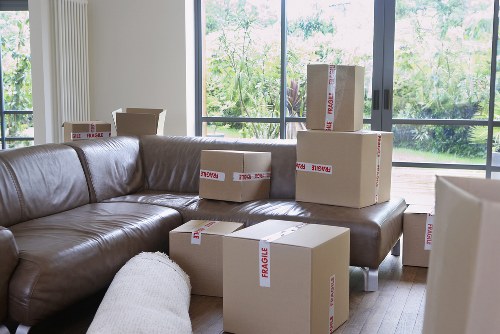
Not all furniture pieces are moved the same way. Each category comes with its own challenges, especially during home moves in furniture. A bulky wardrobe, for example, may need to be dismantled to fit through a doorway, while a delicate antique chair may need extra padding and slow handling. Understanding the material and structure of each item helps prevent damage.
For wooden furniture, humidity and temperature changes can affect the material. Use breathable protection where possible and avoid trapping moisture beneath plastic for too long. Glass furniture needs strong cushioning and careful handling at all times. Leather pieces should be covered but not wrapped too tightly, as airflow helps preserve the surface. In residential furniture moves, the details matter.
Mattresses and upholstered items need particular attention as well. They should be kept clean, dry, and protected from dirt. Office furniture, modular shelving, and entertainment units often contain many small parts, so labeling is essential. The more you understand the item, the more effectively you can manage your house move furniture process.
Furniture Types and Moving Needs
- Sofas: wrap corners, remove cushions, and protect fabric
- Beds: dismantle frames and label slats
- Wardrobes: empty contents before lifting or disassembly
- Tables: remove legs and cushion tabletops
- Cabinets: secure doors and shelves
How Home Moves in Furniture Can Save Time and Stress
When handled correctly, home moves in furniture can be more manageable than many people expect. Planning ahead saves time, organized packing reduces confusion, and safe handling lowers the risk of damage. Instead of seeing the process as a burden, many homeowners find it rewarding because it creates a new sense of order and comfort in the home.
One of the best ways to reduce stress is to work room by room. Focus on one area at a time, complete the move, and then move on to the next. This prevents the house from becoming chaotic. Keeping pathways clear and tools organized also helps you stay in control. If you are working under time pressure, a structured approach is especially valuable for moving furniture at home.
Professional support can also make a major difference. Even if you are not hiring a full service, asking for help from trained movers or experienced helpers can reduce physical strain and improve safety. The key is to match the method to the size of the job. Small furniture moves at home may be simple, while larger relocations may require a more coordinated team.
Benefits of a Structured Approach
- Less risk of damage to belongings
- Better use of time and energy
- Improved safety for everyone involved
- Easier unpacking and room setup
- Less emotional stress during transition
Planning a Furniture Move for a Better Home Layout
Many people start home moves in furniture because they want a better layout. A new arrangement can improve how a home feels and functions. For example, moving a sofa away from a wall may create a more inviting seating area. Shifting a desk near a window may boost natural light and productivity. Small changes can have a surprisingly large effect.
Before moving anything, think about purpose. What do you want each room to accomplish? A family room may need open space for children, while a dining area may need clear access to storage. Measure, sketch, and visualize the arrangement before lifting heavy pieces. This reduces unnecessary effort and helps you avoid moving the same item multiple times. Furniture movement at home should support the way you live.
Style also matters. Combine function with appearance by using furniture to create balance and flow. Avoid placing everything against the walls unless the room truly needs it. Group items in a way that complements the room’s shape and size. A thoughtful layout gives your home a polished, comfortable, and intentional feel.
Questions to Ask Before Rearranging
- Does this piece improve how the room is used?
- Will the new position allow easy movement?
- Does the layout feel open and balanced?
- Are any items blocking light or access?
- Can the room still be cleaned easily?
When to Consider Professional Help
Some home moves in furniture are simple enough to handle with family members or friends. However, there are times when professional help is the better choice. Large, expensive, antique, or unusually shaped items often need expert handling. Staircases, long carries, narrow entrances, and fragile surfaces can also increase the difficulty.
Professional movers bring experience, equipment, and efficiency. They understand how to protect furniture, navigate tight spaces, and load vehicles safely. This is especially valuable when moving multiple heavy pieces or working under a deadline. If you are balancing time, safety, and convenience, hiring support can be a smart investment. For many homeowners, it is the easiest way to complete furniture home moves without unnecessary strain.
Even if you only need partial help, professional assistance can cover the hardest parts of the process while you handle the rest. That might include lifting large sofas, disassembling beds, or transporting fragile cabinets. The result is a smoother move and less risk of costly damage. If your upcoming project feels overwhelming, contact us today to take the next step with confidence.
Final Thoughts on Home Moves in Furniture
Home moves in furniture are about much more than shifting objects from one place to another. They are about protecting valuable belongings, improving your living space, and making the moving process less stressful. With good planning, safe lifting, proper packing, and thoughtful room design, you can turn a difficult task into a productive and even rewarding experience.
Whether you are relocating to a new home or refreshing the layout of your current one, furniture moving should be approached with patience and care. Use the right tools, measure carefully, label everything, and give each piece the attention it deserves. Small improvements in organization can create a major difference in results. When the process is handled well, your home feels more comfortable, practical, and ready for everyday life.
If you are preparing for a move and want an easier, more efficient experience, start planning early and make each decision count. Book your service now if you need extra support, or use the strategies above to manage the move yourself with greater confidence. Either way, smart home furniture moves can help create a better home and a smoother transition.