Removals in Furniture: A Practical, SEO-Friendly Approach to Safe, Efficient Moving
Understanding Furniture Removals in Everyday Life
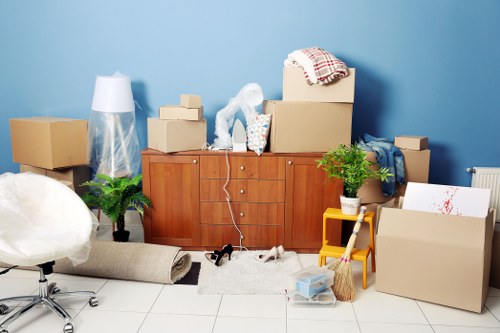
Removals in furniture are part of everyday life for homeowners, renters, students, businesses, and anyone who needs to move from one space to another. Whether you are relocating a single wardrobe, a full bedroom set, or an entire office, furniture removals require planning, care, and the right approach. Many people underestimate how much effort is involved until they are faced with awkward corners, heavy sofas, fragile items, and tight staircases.
Furniture removal is not only about lifting and carrying. It involves preparation, protection, loading, transport, unloading, and placement. Done properly, it reduces stress, saves time, and helps prevent damage to valuable items and property. Done poorly, it can lead to scratches, broken items, back strain, and unnecessary delays. That is why professional furniture removals are often preferred, especially when large, expensive, or delicate pieces are involved.
For households and companies alike, the goal is the same: move furniture safely and efficiently while minimizing disruption. From old dining tables to modular office desks, each item has its own removal challenges. Understanding those challenges is the first step toward a smoother move.
Why Furniture Removals Require Special Care

Furniture is different from boxes of books or clothes. It is often bulky, heavy, oddly shaped, and sometimes fragile in ways that are not obvious at first glance. A solid oak table may look indestructible, but one wrong angle during transport can chip a corner or weaken a leg. Upholstered items can be stained, torn, or crushed if they are not wrapped and secured correctly.
Another reason removals in furniture need special attention is the risk of damage to surrounding areas. Door frames, floors, walls, and elevators can all be affected if items are carried without proper technique. Even a lightweight item can cause problems if it is wide, unbalanced, or difficult to grip. This is especially true in older buildings, apartments with narrow hallways, or homes with stairs.
Professional furniture removals reduce these risks through planning and equipment. Using trolleys, straps, blankets, sliders, and protective covers helps ensure that furniture is moved with care. Efficiency and safety go hand in hand, and that is what makes thoughtful furniture removal so valuable.
Common Challenges in Furniture Removals

There are several challenges that can affect furniture removals, and knowing them in advance makes the process easier to manage. One of the most common is size. Large wardrobes, king-size beds, sectional sofas, and conference tables can be difficult to move through standard doorways. In some cases, items need to be dismantled before they can be transported safely.
Weight is another major issue. Heavy furniture can put strain on the body and may require two or more people to lift correctly. Without the right lifting technique, injuries become more likely. Back injuries, sprains, and crushed fingers are among the most common risks when moving furniture without proper preparation.
Delicacy also matters. Glass tabletops, mirrors, antique furniture, and lacquered finishes can all be damaged during removals if they are not protected. In addition, weather can influence the process. Rain, heat, or cold may affect how items are wrapped, carried, and loaded. For that reason, furniture removals should always be approached with flexibility and care.
Examples of difficult items to move
- Large wardrobes and armoires
- Sectional sofas and recliners
- Glass tables and display cabinets
- Antique wooden furniture
- Office desks and filing cabinets
- Mattresses and bed frames
Planning Furniture Removals the Smart Way

Good planning is the foundation of successful removals in furniture. Before anything is lifted, it helps to assess what needs to be moved, where it will be moved from, and where it will be delivered. This includes measuring furniture dimensions, checking access points, and identifying obstacles such as stairs, tight corners, low ceilings, or limited parking.
A simple inventory can make a big difference. List every item that needs to be moved and note whether it must be dismantled, wrapped, or handled with extra care. This allows you to estimate the time, number of people, and equipment needed. If you are booking a professional furniture removals service, sharing this information early can help create a more accurate schedule.
It is also wise to consider the order in which items will be removed. Bulky items are often best moved first, followed by smaller pieces and loose accessories. That reduces clutter and helps create a clear path. Planning may sound simple, but it is one of the most effective ways to prevent mistakes during furniture removal.
Helpful planning checklist
- Measure furniture and doorways.
- Confirm access routes, stairs, and elevators.
- Decide which items need dismantling.
- Gather packing materials and protective covers.
- Clear pathways before moving begins.
Preparing Furniture for Removal
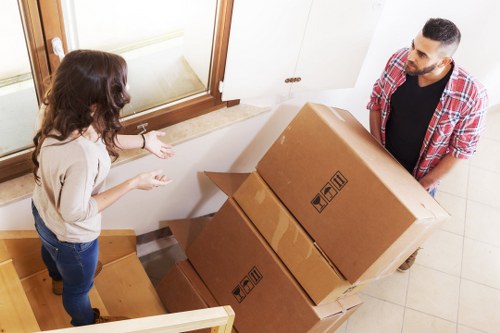
Preparation is one of the most important parts of removals in furniture. Before moving day, each item should be cleaned, emptied, and checked for loose parts. Drawers should be emptied, shelves removed where possible, and detachable pieces stored together in labeled bags. This makes handling easier and helps avoid damage during transit.
Wrapping furniture is essential. Blankets, bubble wrap, stretch wrap, and corner protectors are commonly used to guard against scratches, dents, and stains. Upholstered items should be protected from dirt and moisture, while glass and mirrors should receive extra reinforcement. If items are being stored or moved long distance, stronger packaging may be necessary.
Labels can also improve furniture removals significantly. Marking items with room names, fragility notes, or assembly instructions can save time later. Preparation is not just about protection; it is also about organization, speed, and reducing stress throughout the move.
Materials often used in furniture removals
- Moving blankets
- Bubble wrap
- Stretch wrap
- Cardboard corner guards
- Furniture sliders
- Straps and lifting belts
Safe Lifting and Carrying Techniques
One of the biggest mistakes people make during removals in furniture is lifting with their back instead of their legs. Proper lifting technique is critical to prevent injury. The safest method is to bend at the knees, keep the item close to the body, and lift using leg strength. Twisting while carrying should be avoided, especially with heavy objects.
Communication between movers matters just as much as physical technique. When two or more people are carrying a piece of furniture, they should agree on who leads, where they are going, and when they will stop. Clear verbal cues help prevent accidents at doorways, staircases, and narrow hallways. A coordinated approach can turn a difficult lift into a manageable one.
For very heavy or awkward items, equipment may be better than brute strength. Dollies, hand trucks, ramps, and lifting straps can reduce strain and improve control. Working smarter, not harder, is often the safest approach in furniture removals, especially when moving through tight spaces or over uneven ground.
Best practices for safe handling
- Wear gloves with a secure grip.
- Keep pathways dry and clear.
- Use two people for large or heavy pieces.
- Lift slowly and avoid sudden movements.
- Pause if visibility or balance becomes difficult.
Disassembly and Reassembly in Furniture Removals
Many pieces of furniture are easier to move once they are taken apart. Beds, dining tables, modular sofas, shelving units, and office desks often need disassembly before removal. This reduces bulk, improves safety, and makes it easier to navigate through doorways and staircases. It can also lower the risk of accidental damage during loading and transport.
The key to effective disassembly is organization. Keep screws, bolts, and other fittings in clearly labeled containers or bags. Take photos before and during disassembly so that reassembly is faster and less confusing later. If the furniture is high-value or antique, it may be best to rely on experienced movers who understand how to dismantle it correctly without weakening the structure.
Reassembly is the final step, and it should not be rushed. Once furniture has reached its destination, it should be checked for stability, alignment, and any signs of wear. A well-executed furniture removal ends with the item ready to use again, looking as close as possible to how it did before the move.
When disassembly is usually needed
- When furniture is too large for doors or hallways.
- When a piece is heavy and difficult to carry as one unit.
- When moving valuable items that need extra protection.
- When transport space is limited.
Furniture Removals for Homes and Apartments
Residential removals in furniture are among the most common moving tasks. Homes often contain a mixture of large furniture, decorative items, and personal belongings, all of which need to be moved with care. Apartments add another layer of complexity because of stairs, lifts, shared entrances, and limited parking. This is why residential furniture removals often benefit from early planning and efficient timing.
In homes, the priority is usually to protect floors, walls, and doorways while moving large items from room to room. In apartments, access is often the biggest issue. Movers may need to reserve lift access, coordinate with building management, or schedule the move during quieter hours. These details can greatly affect how smooth the furniture removal feels.
Families often appreciate a staged approach: move one room at a time, protect each item properly, and keep essentials accessible. This approach reduces disruption and makes the entire process more manageable. When furniture removals are organized well, moving day becomes less chaotic and far more efficient.
Office and Commercial Furniture Removals
Furniture removals in a commercial setting require a different level of planning. Offices, retail spaces, schools, and hospitality venues often have larger quantities of furniture, specialized equipment, and strict timelines. A business move may need to happen outside working hours to avoid interruptions, and that means precision is essential.
Office furniture often includes desks, chairs, meeting tables, storage cabinets, and partitions. These items may be modular and reusable, which means they must be removed in a way that supports future setup. Labeling is especially important in commercial removals because it helps reconnect workstations quickly once the move is complete.
For businesses, every hour counts. Efficient furniture removals can reduce downtime and support a faster return to normal operations. That is why many companies choose experienced removal teams that can handle large-scale furniture relocation with minimal disruption.
Key priorities in commercial furniture removals
- Minimize business interruption
- Protect electronics and workstations
- Track furniture and parts carefully
- Complete removal on a fixed timeline
- Maintain safety in public or shared spaces
Transport, Loading, and Unloading
Once furniture has been prepared, the transport phase begins. Loading is one of the most delicate stages in removals in furniture because items must be placed in the vehicle in a way that prevents shifting or crushing. Heavier pieces are generally loaded first, with lighter or more fragile items secured on top or alongside protected spaces.
Padding between items is important. Even wrapped furniture can get scratched if it rubs against other pieces while the vehicle is in motion. Straps and restraints help keep everything stable. A well-loaded vehicle should balance weight evenly and allow easy access to items that may need to be unloaded first.
Unloading requires the same attention as loading. Items should be carried carefully, checked for damage, and placed in the correct location. Whether furniture is going into a new home, a storage unit, or a business premises, clear labeling and a sensible unloading order save time and effort. The safest removals are those that stay controlled from start to finish.
Storage Considerations for Furniture Removals
Sometimes furniture cannot be delivered immediately and must be stored temporarily. Storage is common during renovations, between leases, or when move-in dates do not align. In these cases, removals in furniture should include proper protection for long or short-term storage.
Furniture placed in storage should be clean, dry, and wrapped in breathable or protective materials as appropriate. Moisture is one of the biggest threats in storage environments, particularly for wood, fabric, and leather. Stacking should be done carefully to avoid pressure damage. Heavier pieces should not crush softer materials or delicate finishes.
It is also important to plan how furniture will be accessed later. Items likely to be needed sooner should be stored near the front, while less urgent pieces can be stored deeper inside. Good storage organization supports efficient retrieval and protects the condition of the furniture over time.
Storage tips for furniture
- Keep items off damp floors.
- Cover furniture to prevent dust buildup.
- Avoid placing heavy items on cushions or upholstered parts.
- Leave space for airflow where possible.
- Label everything clearly before storage.
Choosing the Right Furniture Removals Service
Many people search for furniture removals because they want a safer, faster, and less stressful move. Choosing the right service provider can make a major difference. The best teams combine experience, planning, equipment, and professionalism. They should understand how to handle different materials, from solid wood and glass to fabric and metal.
When comparing services, it helps to look at the range of support offered. Some providers only transport items, while others include packing, dismantling, protective wrapping, and reassembly. The right choice depends on the size of the move, the complexity of the furniture, and your time frame. A flexible service can be especially helpful for busy households or commercial clients.
Another factor is communication. A reliable team will explain how the removal will work, what preparations are needed, and how to handle special items. Clarity before the move often leads to a smoother experience on the day itself. If you are ready to move, book your service now and reduce the stress of doing everything alone.
What to look for in a removal provider
- Experience with furniture removals
- Proper handling equipment
- Clear planning and scheduling
- Protection for floors and furniture
- Ability to manage special items
How to Reduce Damage During Furniture Removals
Damage prevention is a core goal in all removals in furniture. The best way to reduce damage is to think ahead. That means checking the path from start to finish, covering vulnerable surfaces, and securing every piece properly before it moves. Even simple precautions can prevent expensive repairs.
Furniture should never be dragged across floors unless proper sliders are used. Doors should be held open safely or protected from impact. Corners and edges are often the first areas to chip, so they deserve extra padding. For delicate items, it may be worth adding multiple layers of protection rather than relying on a single wrap.
Handling furniture gently is not the same as handling it slowly. A good removal process is efficient but controlled. The goal is to avoid sudden drops, sharp turns, and unnecessary pressure. When these habits are followed, furniture removals become much safer and more reliable.
Making Furniture Removals More Eco-Friendly
There is growing interest in making removals in furniture more sustainable. This can be done in several ways, starting with reusing packing materials where possible. Moving blankets, straps, and sturdy boxes can often be used more than once if kept in good condition. Choosing reusable packaging reduces waste and supports a more environmentally responsible move.
Another eco-friendly strategy is to declutter before moving. Selling, donating, or recycling unwanted furniture reduces the number of items that need to be transported. Fewer items mean less vehicle space, lower fuel use, and less time spent moving. This can make the removal process leaner and more efficient as well.
Repairing rather than replacing furniture is another sustainable option. Sometimes a scratched chair or loose table leg can be fixed before the move instead of being discarded. Smarter furniture removals can support both convenience and sustainability at the same time.
Simple sustainability ideas
- Reuse wrapping materials when possible
- Donate furniture in good condition
- Recycle broken items responsibly
- Move only what you truly need
- Choose efficient transport routes
Final Thoughts on Removals in Furniture
Furniture removals are about much more than moving objects from one place to another. They require planning, organization, care, and the right equipment. Whether the job involves a single item or an entire property, taking the right approach can save time, reduce stress, and protect your belongings.
By preparing furniture properly, lifting safely, using suitable transport methods, and considering storage or reassembly needs, you can improve the entire experience. For homes and businesses alike, well-managed furniture removals create a smoother transition and a better outcome. If you are facing an upcoming move, it is worth acting early and thinking through each stage carefully.
Contact us today to take the next step toward a safer, more efficient furniture removal experience. With the right planning and support, your move can be organized, secure, and far less overwhelming than expected.