Office Removals in Furniture: A Practical, SEO-Friendly Approach to Moving Workspaces Smoothly
Office removals in furniture are rarely as simple as moving a desk from one room to another. In reality, the process involves careful planning, safe handling, efficient packing, and thoughtful coordination to protect both your furniture and your business operations. Whether you are relocating a small startup, a growing company, or an established corporate office, the success of the move often depends on how well you manage the furniture removal process.
Modern workplaces rely on a wide range of items, from ergonomic chairs and modular desks to filing cabinets, reception counters, meeting tables, storage units, and boardroom furniture. Each piece has its own size, value, and fragility level. That is why office removals in furniture require more than muscle alone; they demand strategy, organization, and the right tools. A well-executed move helps reduce downtime, keeps staff productive, and protects your investment in office equipment.
Businesses often underestimate how much time and effort office furniture removals can take. Without a structured plan, items may get damaged, misplaced, or delayed, creating unnecessary stress during an already busy transition. The good news is that with the right approach, office removals in furniture can be handled efficiently and with minimal disruption. This article explores the essential steps, best practices, and key considerations to help make your office move as smooth as possible.
Understanding Office Removals in Furniture

Office removals in furniture refer to the process of dismantling, packing, transporting, and reinstalling workplace furniture during an office relocation, refurbishment, or downsizing. Unlike a household move, an office move must account for business continuity, employee schedules, sensitive equipment, and the physical layout of the new space. This makes professional planning especially important.
The furniture involved in office removals can vary significantly. Some businesses only need to move a handful of desks and chairs, while others must relocate entire floors of workstations, storage systems, conference furnishings, and bespoke fitted units. In each case, the objective remains the same: move everything safely, efficiently, and in a way that supports a quick return to normal operations.
Why does this matter? Because office furniture is often expensive, bulky, and essential to day-to-day work. Damaged tables, broken cabinet locks, or scratched desks can lead to extra costs and operational delays. A structured office removals process reduces these risks while ensuring that every item reaches its destination in usable condition.
Planning Office Removals for Furniture

Successful office removals in furniture start with a detailed plan. Planning should begin well before moving day so you can identify what needs to be moved, what can be discarded, and what should be replaced. This stage is also the best time to assess the new office layout and decide where each item will go.
A strong planning phase often includes a furniture inventory, floor plan mapping, time scheduling, and staff allocation. By listing every item in advance, you can avoid confusion and reduce the chance of leaving behind important equipment. This is also an opportunity to label furniture by department, floor, or workstation to make reinstallation easier.
Many organizations also use this phase to review the condition of existing furniture. Items that are worn, damaged, or outdated may not be worth moving. In some cases, replacing old furniture before or after the relocation can save time and improve the functionality of the new workspace.
Key planning tasks
- Create a complete furniture inventory
- Measure doorways, corridors, lifts, and staircases
- Assign labels to each furniture item
- Separate essential items from obsolete ones
- Schedule the move to minimize business disruption
Preparing Furniture for Office Removals
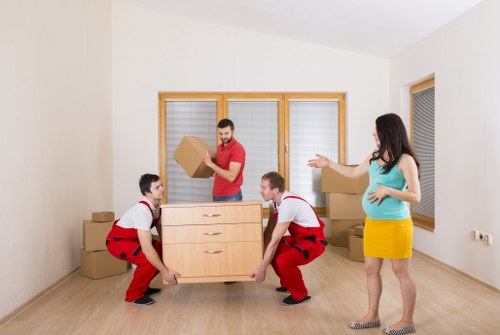
Preparation is one of the most important parts of office removals in furniture. Even high-quality office furniture can be damaged if it is not prepared correctly before transport. This is especially true for items with glass surfaces, metal components, loose fittings, or electrical features such as sit-stand desks.
The preparation stage often begins with dismantling larger items. Desks, shelving systems, and modular units may need to be taken apart to fit through narrow passageways or into moving vehicles. Proper dismantling also reduces the risk of breakage during lifting and transport. If furniture cannot be dismantled, it should be padded and secured carefully.
All removable parts, such as screws, bolts, shelves, and connectors, should be stored in labeled bags and attached to the matching item whenever possible. This small step can save significant time during reassembly. Additionally, surfaces should be cleaned before packing to prevent dust, dirt, or debris from causing scratches.
Preparation checklist
- Empty drawers, cabinets, and shelves
- Detach loose components and accessories
- Wrap surfaces with protective materials
- Label each piece clearly
- Keep fixings and small parts together
For businesses with delicate or high-end furniture, professional handling becomes even more valuable. Conference tables, reception desks, and custom-built units often require special wrapping, padding, and loading methods. This is where experienced movers can make a meaningful difference.
Safe Handling During Office Furniture Removal

Safety should always be a central priority in office removals in furniture. Large and heavy items can cause injury if they are lifted incorrectly, and awkward furniture shapes can create hazards in tight spaces. A safe move protects not only the furniture but also the people handling it.
Proper lifting techniques are essential. Furniture should be carried by trained personnel using the right posture, tools, and team coordination. Items such as filing cabinets and storage units may need to be emptied first to prevent imbalance. When moving on stairs or through narrow hallways, extra caution is needed to avoid scuffs, collisions, or strain injuries.
Protective equipment and moving tools can greatly improve safety. Dollies, trolleys, furniture sliders, straps, blankets, and corner guards all help reduce physical strain and minimize damage. In larger office removals, using equipment designed for heavy lifting can also speed up the process while maintaining control.
Important safety practices
- Never drag furniture across floors without protection
- Use team lifting for heavy or oversized items
- Secure loads before moving them
- Keep pathways clear of cables and obstacles
- Wear appropriate protective gear
Safety is not just a precaution; it is a cost-saving strategy. Preventing damage and injury during office removals can save businesses significant time, money, and operational disruption.
Transporting Furniture in Office Removals
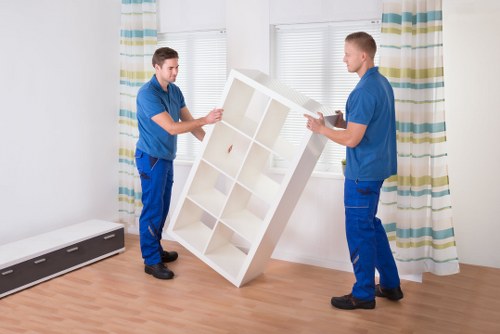
Once furniture is prepared and loaded, transportation becomes the next crucial stage. The way items are loaded into the vehicle can significantly affect their condition on arrival. Heavy pieces should be placed securely to prevent shifting, and fragile items should be protected with padding or placed in separate sections.
Vehicle choice matters as well. Smaller offices may only need a van, while larger relocations might require multiple trucks or specialist moving vehicles. The right transport solution depends on the quantity, size, and sensitivity of the furniture being moved. For long-distance office removals, route planning is also important to reduce delays.
Weather and road conditions can also affect transport. Rain, wind, and uneven roads may increase the risk of damage if furniture is not properly wrapped and secured. Good movers will take these factors into account and adjust loading methods accordingly. This attention to detail is especially important when moving expensive office furniture or custom fixtures.
Transport tips for furniture removals
- Load heavier items first for balance
- Use straps to prevent movement
- Pad corners and fragile edges
- Avoid overpacking the vehicle
- Check the route before departure
Reinstalling Furniture in the New Office
Office removals in furniture do not end when the vehicle arrives at the new location. Reinstallation is just as important as packing and transport. The aim is to set up the workspace efficiently so employees can return to work with minimal delay. That means each item should be placed according to the pre-planned layout.
Reassembly should follow the labels and inventory created earlier. Desks, chairs, storage systems, and meeting furniture should be installed in the correct rooms and positions. This is where detailed planning pays off, because clear labeling reduces confusion and speeds up setup. A smooth reinstallation can make the new office feel functional much faster.
It is also wise to inspect each item after assembly. Check for loose fittings, surface damage, and alignment issues before staff begin using the furniture. If anything appears unstable or incomplete, it should be fixed immediately. This ensures the workspace is both attractive and safe.
Common reinstallation steps
- Place furniture according to the floor plan
- Reassemble desks, cabinets, and shelving units
- Test moving parts such as drawers and hinges
- Inspect each item for damage
- Make final adjustments for comfort and layout
A well-organized setup can reduce downtime and improve employee satisfaction. When furniture is installed correctly, staff can resume their routines sooner and the office feels operational from day one.
Choosing the Right Support for Office Removals in Furniture
Not every move requires the same level of support, but choosing the right help can make a significant difference. Some businesses manage small office removals internally, especially when moving a limited amount of furniture. However, larger or more complex relocations often benefit from professional removal services with the experience and equipment needed for safe handling.
When evaluating support options, look for teams that understand office removals in furniture specifically. Expertise in this area is valuable because office pieces often differ from domestic furniture in size, structure, and installation requirements. A provider with the right experience can help reduce risk and simplify the entire process.
Professional support can also be useful for time-sensitive moves. If your business must relocate over a weekend, after hours, or within a tight deadline, an experienced team can coordinate the process with greater efficiency. This can be especially helpful for companies with multiple departments or complex office layouts.
What to look for in moving support
- Experience with office furniture removals
- Proper handling equipment
- Clear planning and scheduling methods
- Knowledge of dismantling and reassembly
- Ability to manage fragile and bulky items
Tip for businesses
Always request a clear moving plan before the relocation begins. A structured process helps reduce uncertainty and ensures all furniture tasks are handled in the right order.
How Office Removals Affect Business Continuity
Business continuity is one of the biggest concerns during office removals in furniture. Every hour spent moving, unpacking, or reorganizing furniture can affect productivity. That is why businesses often try to move during weekends, holidays, or planned downtime. The goal is to keep interruption as low as possible.
Furniture removal also affects staff morale and workflow. Employees need a functional workstation, comfortable seating, and accessible storage to do their jobs effectively. A poorly planned move can cause frustration, while an organized one can help the team settle in quickly and maintain momentum.
To protect continuity, companies should communicate the moving schedule early. Staff can then prepare their desks, clear personal items, and know what to expect on relocation day. Clear communication reduces confusion and helps everyone adapt more easily to the move.
Ways to reduce downtime
- Move outside working hours when possible
- Prioritize essential departments first
- Set up key furniture before equipment
- Use labeled zones to speed placement
- Keep staff informed throughout the process
Common Challenges in Office Furniture Removal
Like any business move, office removals in furniture come with challenges. Tight corridors, narrow doors, heavy cabinets, fragile components, and unexpected weather can all create complications. The more complex the office setup, the more planning is needed to avoid delays or damage.
Another common issue is poor labeling. If desks, shelves, or chairs are not clearly identified, reassembly can take much longer than expected. Missing parts are also a frequent problem, especially when furniture has been dismantled without a proper system for storing fixings and accessories.
Older office buildings may present additional difficulties. Stairwells can be small, lifts may be limited, and loading access might be restricted. In these cases, movers often need creative solutions and extra manpower to complete office removals in furniture safely and efficiently.
Challenges and solutions
| Challenge | Possible Solution |
|---|---|
| Bulky furniture | Dismantle before moving |
| Fragile surfaces | Use padded wrapping and corner guards |
| Lost fittings | Store screws and bolts in labeled bags |
| Access limitations | Measure routes in advance |
Preparation reduces surprises. By identifying likely challenges ahead of time, businesses can make office removals in furniture much more manageable.
Cost Considerations for Office Removals in Furniture
Cost is an important factor in any relocation, and office removals in furniture are no exception. The total price often depends on the volume of furniture, distance of the move, labor requirements, dismantling needs, and any special handling involved. Custom or high-value furniture may also increase costs if extra protection is required.
Businesses can often reduce costs by planning carefully. Decluttering before the move, selling unused items, and recycling outdated furniture can lower transport volume and save both time and money. It is also helpful to compare service options and request a detailed breakdown of what is included.
While it may be tempting to choose the lowest-cost option, value matters more than price alone. An inexpensive move that results in damage, delays, or poor setup can end up costing more in the long run. Investing in reliable office removals in furniture often provides better overall results.
Factors that affect moving costs
- Amount of furniture to be moved
- Distance between locations
- Need for dismantling and reassembly
- Special handling for delicate items
- Timing and urgency of the relocation
Best Practices for a Smooth Office Furniture Move
There are several best practices that can improve office removals in furniture and reduce stress for everyone involved. First, start early. The more time you allow for planning, the more likely you are to avoid last-minute problems. Second, create a clear inventory so nothing gets overlooked. Third, assign responsibilities so each person knows what they must do before, during, and after the move.
It also helps to think ahead about the new workspace. A furniture move is not just about transport; it is about how the office will function after the relocation. Consider circulation, accessibility, comfort, and productivity when arranging furniture in the new space. This ensures the office is not only moved but improved.
Finally, review the move once it is complete. Check whether all furniture arrived safely, whether any items need repair, and whether the new layout supports daily work effectively. This final review can highlight lessons for future relocations and help maintain high standards.
Best practice summary
- Start planning early
- Use clear labels and inventories
- Protect all surfaces and components
- Coordinate staff and moving teams
- Inspect everything after installation
Office removals in furniture are easier when every step is intentional. Small details, from labeling to padding, can have a big impact on the overall success of the move.
Why Office Removals in Furniture Need a Professional Mindset
Even when a move appears simple, office removals in furniture benefit from a professional mindset. That means approaching the job with attention to detail, patience, and a clear method. Professional thinking helps reduce mistakes, protect expensive furniture, and keep the relocation on schedule.
Businesses that take this approach are often better prepared for the unexpected. If a table does not fit through a doorway, if a cabinet needs to be disassembled further, or if a floor plan changes at the last minute, a professional mindset makes adaptation easier. Flexibility is one of the biggest assets in any office move.
In the end, office removals in furniture are about more than moving objects from one place to another. They are about creating a functional working environment in a new location with minimal disruption. When handled properly, the transition can support growth, renewal, and long-term business success.
Final thought
Plan carefully, protect each item, and move with purpose. If your business is preparing for a relocation or workspace refresh, take the time to organize every stage of the furniture removal process. Contact us today to start planning your move, or book your service now to keep your office transition efficient and stress-free.