Health and Safety Policy for Furniture Removals
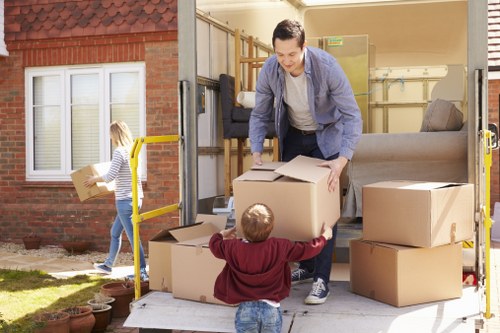 Health and safety is central to every successful furniture removals operation. Whether a team is handling a single room move or a full-scale household relocation, the goal is to protect people, property, and goods at every stage. This policy sets out the standards expected from all staff involved in removals services, from planning and packing to loading, transport, and delivery. It is designed to reduce risk, promote safe behaviour, and maintain a consistent approach to safe working practices.
All employees and subcontractors must understand that moving furniture presents varied hazards, including slips, trips, manual handling injuries, crush points, and damage caused by unstable loads. To manage these risks, every furniture removal task must be assessed before work begins. Safe systems of work must be followed at all times, and no job should proceed if conditions are unsafe. Safety is not a separate task; it is part of every action on site, in transit, and at the destination.
 The company expects all staff to act responsibly, stay alert, and communicate clearly throughout each move. Team members should report hazards immediately, use equipment correctly, and never take unnecessary shortcuts. A strong safety culture helps reduce incidents and ensures that customers’ belongings are handled with care. In furniture removals, efficiency is important, but safe lifting, safe loading, and safe teamwork always come first.
Responsibilities and Safe Working Standards
Managers are responsible for making sure that workers are trained, supervised, and equipped to carry out tasks safely. This includes providing suitable moving equipment, maintaining vehicles and lifting aids, and ensuring that staff understand correct handling techniques. Workers must cooperate with instructions, wear required protective equipment, and use their judgement to avoid unsafe practices. Every furniture removal crew must be prepared to pause work if a hazard develops.
Personal protective equipment should be selected according to the task. Gloves, safety footwear, high-visibility clothing, and back support awareness may be necessary depending on the nature of the move. Clothing should allow free movement without creating snagging risks. Tools such as trolleys, straps, blankets, ramps, and dollies should be used properly and inspected before use. Damaged equipment must be removed from service immediately.
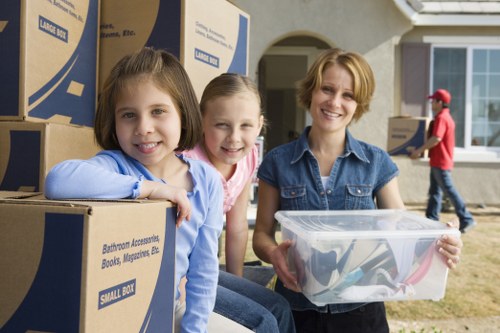 Manual handling remains one of the most significant risks in furniture removals. Staff must assess the weight, shape, and stability of each item before attempting to lift or carry it. Team lifts should be used for heavy, awkward, or oversized objects, and routes should be cleared in advance. Workers should bend at the knees, avoid twisting, and keep loads close to the body where possible. If an item is too heavy or unstable, mechanical assistance or additional personnel must be arranged.
Risk Control in Packing, Loading, and Transport
During packing, items must be wrapped, boxed, and labelled to prevent damage and reduce movement in transit. Fragile items should be protected with suitable materials, while sharp or loose components must be secured safely. Furniture should be dismantled only when necessary and only by competent staff. Any removed fittings, screws, or panels should be stored in clearly identified containers to reduce the chance of loss or injury.
Loading vehicles safely is essential for preventing accidents and protecting cargo. Heavier items should be placed low and secured against movement, while lighter goods can be positioned above them if stable. Loads must be evenly distributed to avoid imbalance, and securing devices should be checked before departure. A vehicle that is overloaded or poorly arranged can create serious risks on the road and during unloading. In house furniture removals, proper load planning supports both safety and service quality.
Drivers and crew members must ensure that vehicles are fit for purpose and used within safe operating limits. Mirrors, tyres, lights, brakes, and load restraints should be inspected regularly. Journey planning should allow adequate time for travel, rest, and unloading, avoiding pressure that could encourage unsafe driving or rushed handling. Weather, access conditions, and parking arrangements should also be considered. Safe transport is a key part of every furniture removals process and must never be overlooked.
Site Safety, Incident Reporting, and Continuous Improvement
 Before work begins at a property, the area should be checked for hazards such as uneven floors, low lighting, narrow stairways, wet surfaces, obstructions, and limited access points. Where necessary, staff should use protective coverings for floors, walls, and door frames to reduce the risk of damage and injury. Occupants and third parties should be kept clear of active work zones. Clear communication is especially important when moving bulky furniture through shared areas or confined spaces.
Any accident, near miss, or damage incident must be reported promptly and recorded accurately. Investigations should focus on identifying the cause and preventing recurrence rather than assigning blame. Lessons learned from incidents should be shared with teams so that improvements can be made across future furniture removal jobs. Reporting hazards early helps prevent small issues from becoming serious events.
 Training and review are essential parts of this policy. Staff should receive instruction on safe lifting, equipment use, route planning, hazard awareness, and emergency procedures. Refresher training should be provided when work methods change or when new risks are identified. The policy should be reviewed regularly to keep it effective and relevant. By following these standards, furniture removals operations can remain safe, efficient, and professional while protecting everyone involved.